A practical comparison of the 4 major cross-platform mobile frameworks in 2026.
A comparison of 7 continuous build tools (Jenkins, GitHub Actions, GitLab CI, CircleCI, Bitbucket Pipelines, Azure DevOps, Travis CI) with pricing, strengths, and a decision framework for picking the right one.
A hard reload forces Chrome to re-download a webpage instead of using cached files. Here are the shortcuts for Windows, Mac, and Linux, the 3 reload types explained, and when a hard refresh fixes the problem.
A stress test pushes your PC's CPU, GPU, or RAM to maximum load to check for crashes, overheating, and instability. Here are the best free tools, safe temperature limits, and how long to run each test.
Smoke testing checks whether a new build works well enough for further testing.
How to run Chrome in headless mode with Selenium using --headless=new. Covers Python, Java, and JavaScript setup, the Chrome 112+ changes, CI/CD flags, and why your headless tests might be failing.
Inspect Element on Mac lets you view and edit a webpage's HTML, CSS, and JavaScript. Here's how to open it in Safari, Chrome, and Firefox, the keyboard shortcuts, and 5 tricks most guides skip.
Should you mock that dependency or use the real object? This guide shows the same function tested both ways, explains the trade-offs, and covers the mistakes that make mocked tests worse than no tests.
UAT stands for user acceptance testing. It's the last testing phase before release, where real users verify the software works for their actual needs.
API testing catches backend failures before they become blank screens in your app.
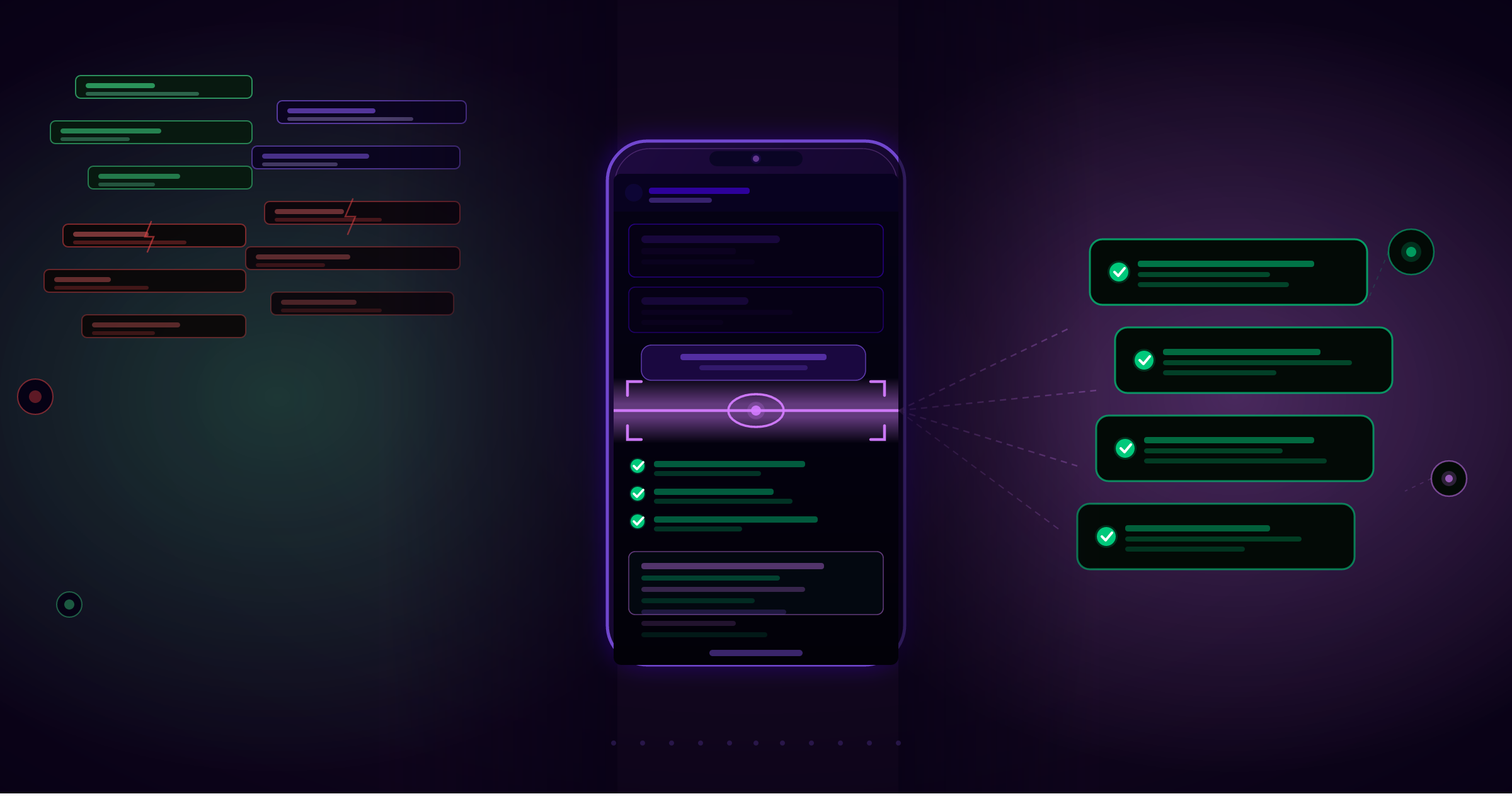
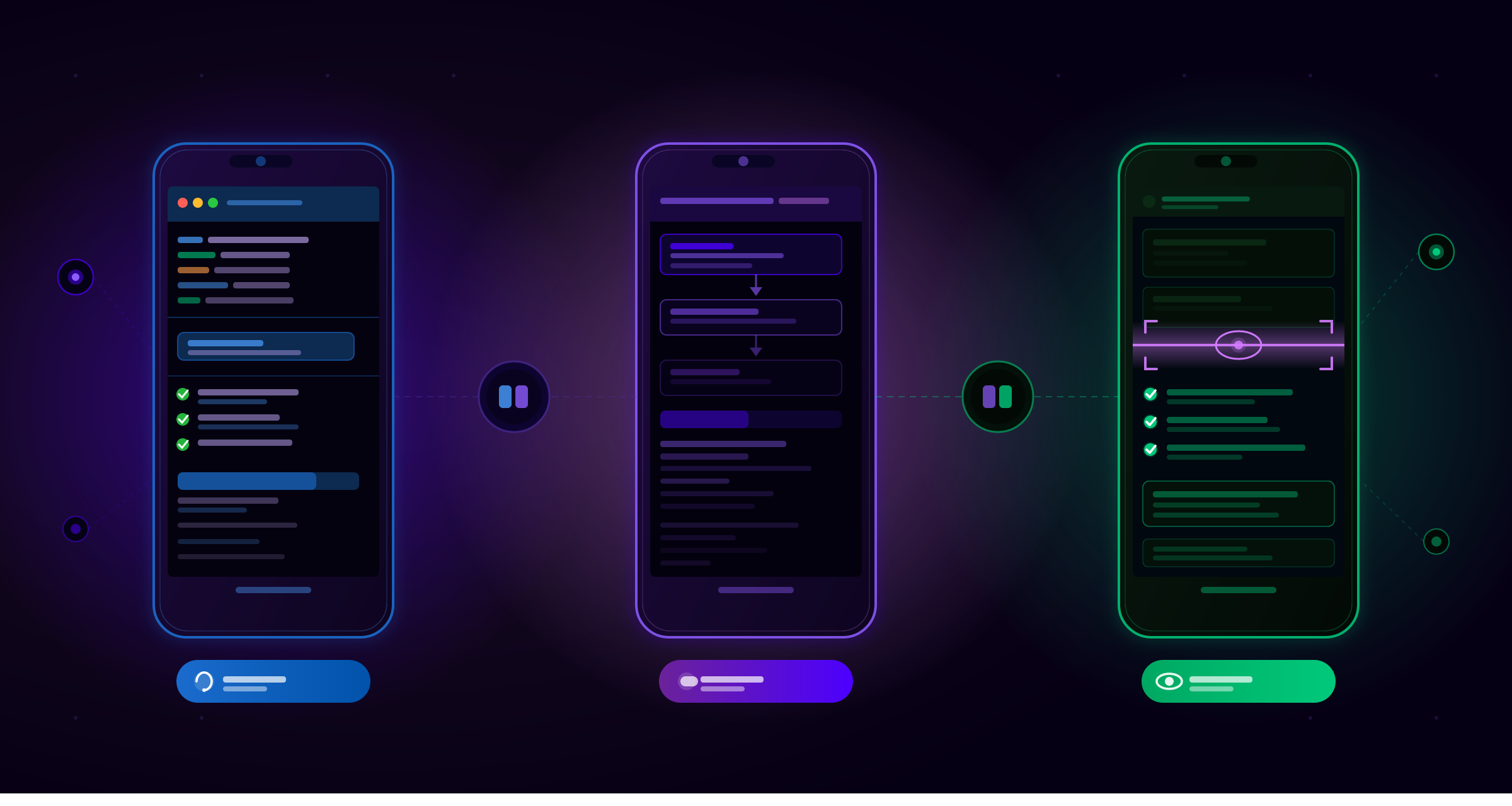
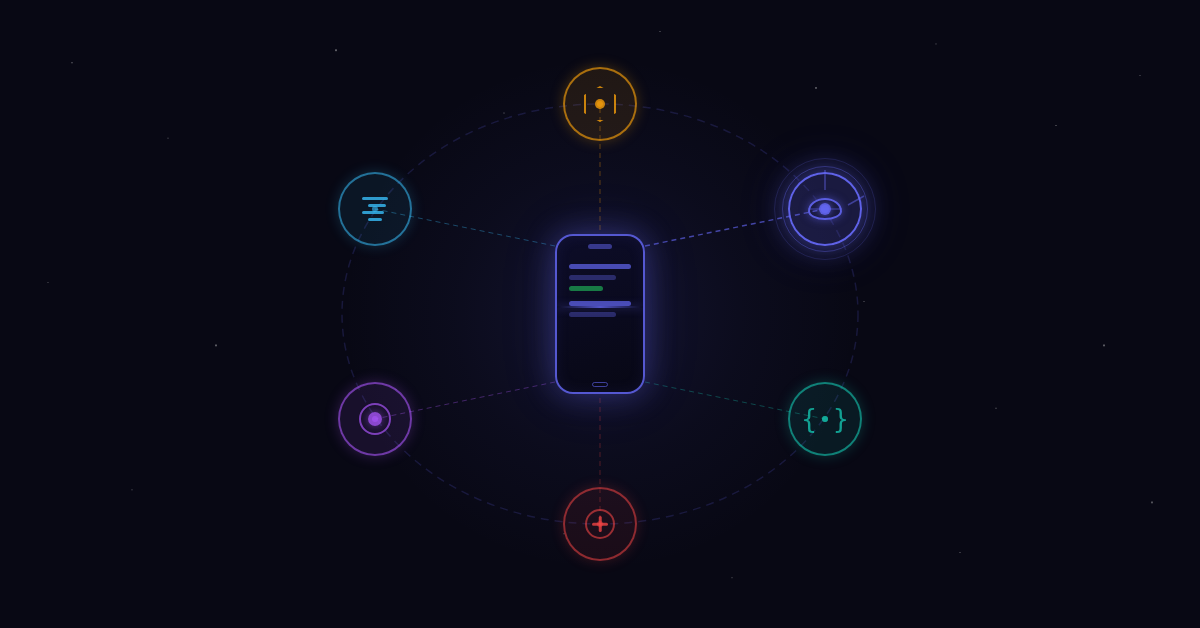
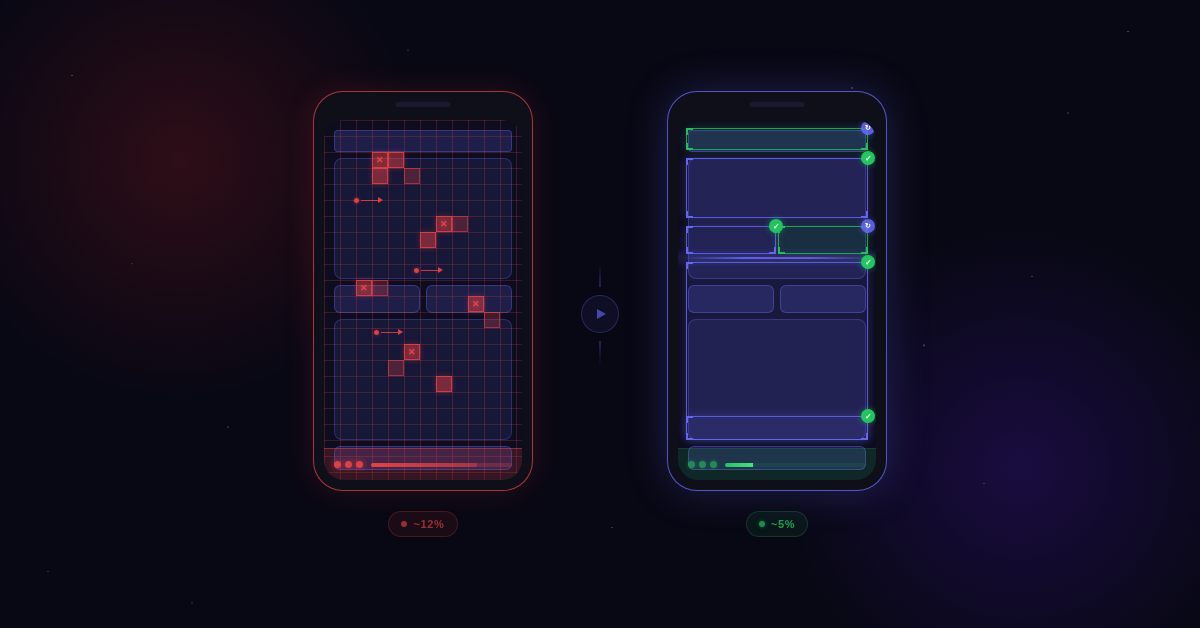
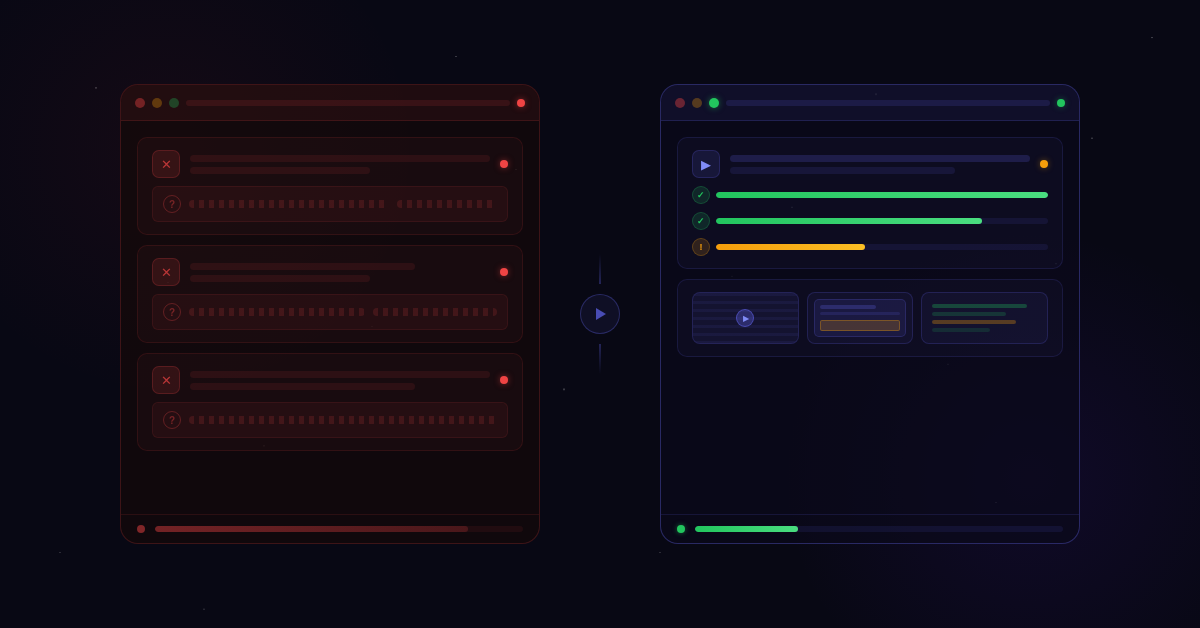
Mobile test maintenance silently consumes 40–70% of QA time. Vision AI testing cuts flaky selector issues and scales coverage efficiently.
Pop-ups blocked on your iPhone? Here's how to allow them in Safari (Settings > Apps > Safari > Block Pop-ups off), Chrome, and Firefox, plus why Safari doesn't let you allow pop-ups for just one site.
The answer depends on what you're doing. Chrome OS is optimized for using web apps. Linux is optimized for hosting them. macOS and Linux are developer favorites for building them. Here's why.
Search is one of the most used and least tested features in mobile apps.
Jenkins build triggers decide when a job runs.
A reliability test system is a structured framework for measuring how well software performs over time without failure.
Internet browsing is the act of navigating websites using a web browser.
Accessibility heuristics are broad principles used to evaluate an interface for accessibility issues without a full WCAG audit.
Augmented reality testing requires a different approach than standard mobile QA.
8 APM tools compared with real setup examples, honest tradeoffs, and pricing. Covers Datadog, Dynatrace, New Relic, Grafana + Prometheus, Elastic APM, AppDynamics, SigNoz, and Splunk APM.
What is an IPA file? Learn how IPA files work, what's inside them, how to create and install them, how they compare to APK files, and why they break iOS testing in CI/CD pipelines.
XCUITest is Apple's native framework for iOS UI testing.
Mobile app monitoring catches production problems your pre-release testing missed.
In-app purchase testing requires sandbox accounts, test cards, and platform-specific setup on both Google Play and App Store.
A test scenario describes what to test. A test case describes how.
Not every E2E testing tool covers mobile. In this we splits 8 tools into web-only, mobile-only, and cross-platform categories, with honest assessments of what each one does well and where it falls short.
Android emulators are fast and free. Real devices catch OEM-specific bugs emulators miss.
Automated regression testing catches side-effect bugs after every code change.
A hands-on mobile app testing tutorial that follows one app from manual testing through automation. Covers device setup, writing your first test cases, running exploratory sessions, automating regression, and plugging into CI/CD.
Gherkin is the structured plain-English language used in BDD testing.
Mobile app security testing finds vulnerabilities in data storage, network communication, authentication, and code integrity.
Mobile CI/CD is harder than web CI/CD. Code signing, device fragmentation, and app store gates add complexity at every stage.
Login testing on mobile goes beyond email and password. This guide covers 20 test cases across 4 login methods (credentials, biometrics, SSO, OTP) plus the mobile-specific edge cases most teams miss.
Writing mobile test cases is different from web. This guide covers 7 rules for writing test cases that work across devices, with 15 ready-to-use examples for login, checkout, OTP, push notifications, and more.
Testing an Android app involves the Android Emulator, Espresso, ADB on physical devices, Google Play internal testing, and cloud real-device platforms.
Test automation saves time, catches bugs earlier, and reduces costs.
10 regression testing tools compared on pricing, G2 ratings, migration friction, automation depth, and mobile support. Includes Reddit community sentiment, honest trade-offs, and a decision framework.
A practical guide to mobile app testing for teams starting from zero. Seven steps from picking your first devices to automating regression in CI/CD, with links to deeper guides for each stage.
Shift left testing means moving testing earlier in the development cycle. On mobile, that's harder because tests need devices, specialized tools, and automation skills.
Test data management is the process of creating, maintaining, and controlling the data your tests use. On mobile, that includes OTPs, GPS coordinates, promo codes, and payment sandbox credentials. Here's how to manage it.
A test plan template documents what to test, how, on which devices, and by when.
Testing an iOS app involves the Xcode Simulator, XCUITest, TestFlight, real devices, and cloud testing platforms.
Functional testing checks if the app works. Non-functional testing checks if it works well.
A test automation strategy is a plan for what to automate, what to keep manual, which tools to use, and how to integrate testing into your release cycle.
Mobile testing best practices aren't a flat checklist. This guide organizes 12 practices by release phase: during development, before release, and in production. Each includes the metric it moves and a link to a deeper guide.
BDD testing uses plain-language scenarios (Given-When-Then) to describe how software should behave.
Not all mobile analytics tools do same thing. This guide categorizes them by use case: product analytics, marketing attribution, crash monitoring, and session replay.
Mobile app performance testing measures cold start time, crash rate, memory usage, and network behavior under real conditions.
Fastlane automates mobile app builds, screenshots, code signing, and App Store/Play Store deployment.
Flutter supports four testing layers: unit, widget, golden, and integration. This guide covers each one with code examples, explains what Flutter's own rendering engine changes about testing, and where real-device gap starts.
Smoke testing checks if build is stable enough to test. Sanity testing checks if a specific fix actually worked. This guide covers real difference, with a concrete mobile example showing both in sequence.
Most framework comparisons rank tools by popularity. This one ranks them by what matters: how fast a new tester writes their first test, how much maintenance the framework creates, and whether it survives a UI redesign.
Exploratory testing is simultaneous learning, test design, and execution.
A test case template gives your QA team a standard format for documenting tests.
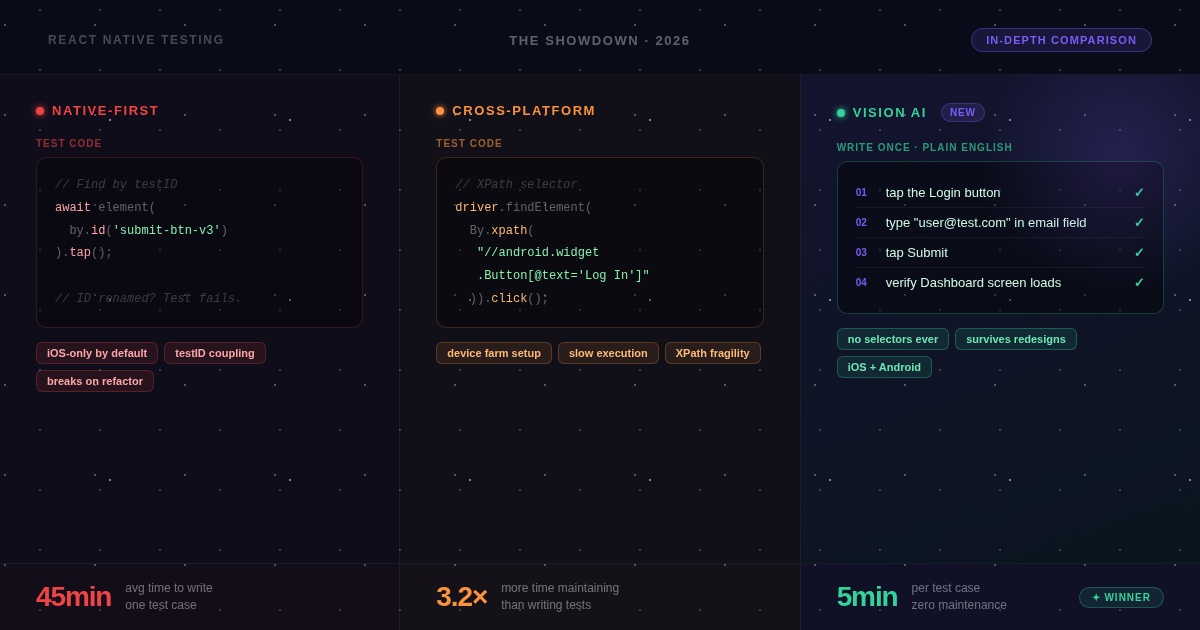
A practical guide to testing React Native apps in 2026. Covers static analysis, unit tests, component tests, snapshots, integration, and E2E with code examples, tool recommendations, and what breaks on real devices.
Mobile app testing is process of validating an app's functionality, performance, security, and usability across devices before release.
E2E testing validates an entire application flow from start to finish, simulating real user behavior.
An emulator replicates a device's hardware and software. A simulator mimics only software.
Test automation is practice of using software to run tests, compare results, and report failures without manual effort.
Regression testing is practice of re-running tests after code changes to confirm nothing broke. This guide covers types, real examples, mobile-specific challenges, and automation that doesn't rot.
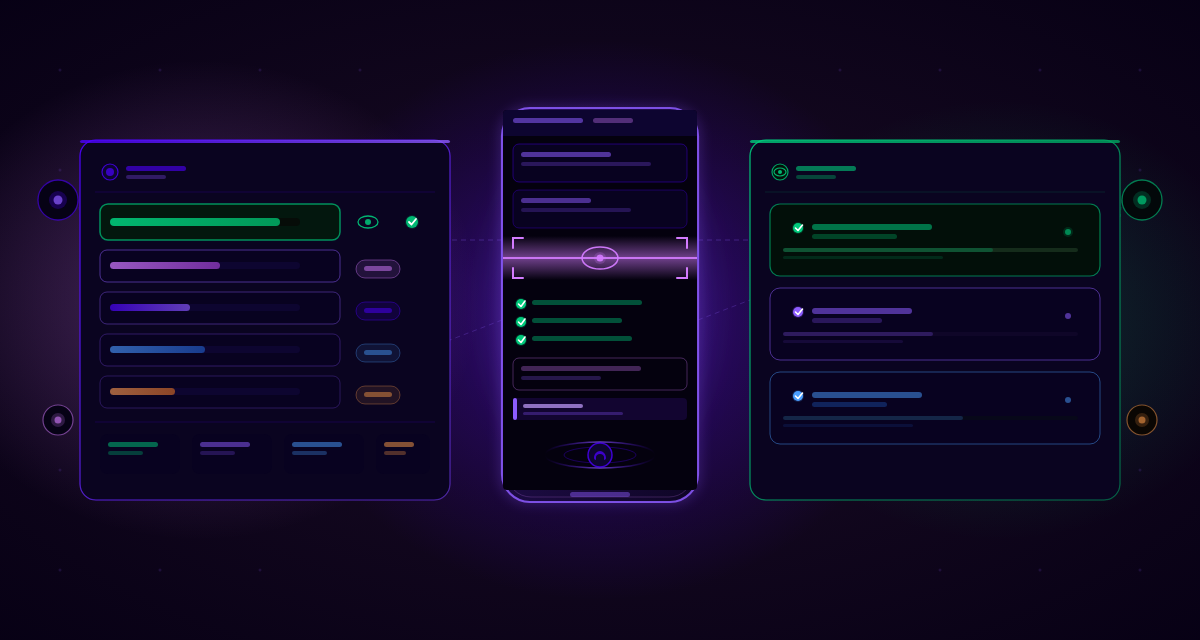
Mobile visual regression testing catches UI issues functional tests miss. Vision AI reduces false positives by understanding screens instead of diffing pixels.
Looking for a pCloudy alternative? Compare Drizz, BrowserStack, Sauce Labs, Kobiton, and TestGrid on real-device access, AI features, pricing, and test authoring speed.
Android automation has evolved fast. Espresso is faster, Maestro is simpler, Appium got a new architecture. But OEM fragmentation, dynamic UIs, and flaky selectors still break your tests. Here's what actually works.
Looking for Perfecto alternatives? Compare Drizz, BrowserStack, Sauce Labs, Kobiton, and HeadSpin on pricing, real-device access, test authoring, and mobile flakiness.
Real device testing catches bugs emulators can't: OEM rendering, thermal throttling, GPS drift, network drops. Here's what to test, which devices to pick, and how to automate it.
A mobile app testing checklist covering functional, UI, performance, security, device compatibility, network, installation, and accessibility testing. Use before every iOS and Android release.
AI driven testing uses machine learning to generate, execute, and maintain tests without manual scripting. Here's what it actually does, where it works, and where the hype outpaces reality.
Mabl testing is an AI-powered, low-code platform built for web E2E automation. Here's an honest look at what it does well, where it struggles on mobile, and when a different approach makes more sense.
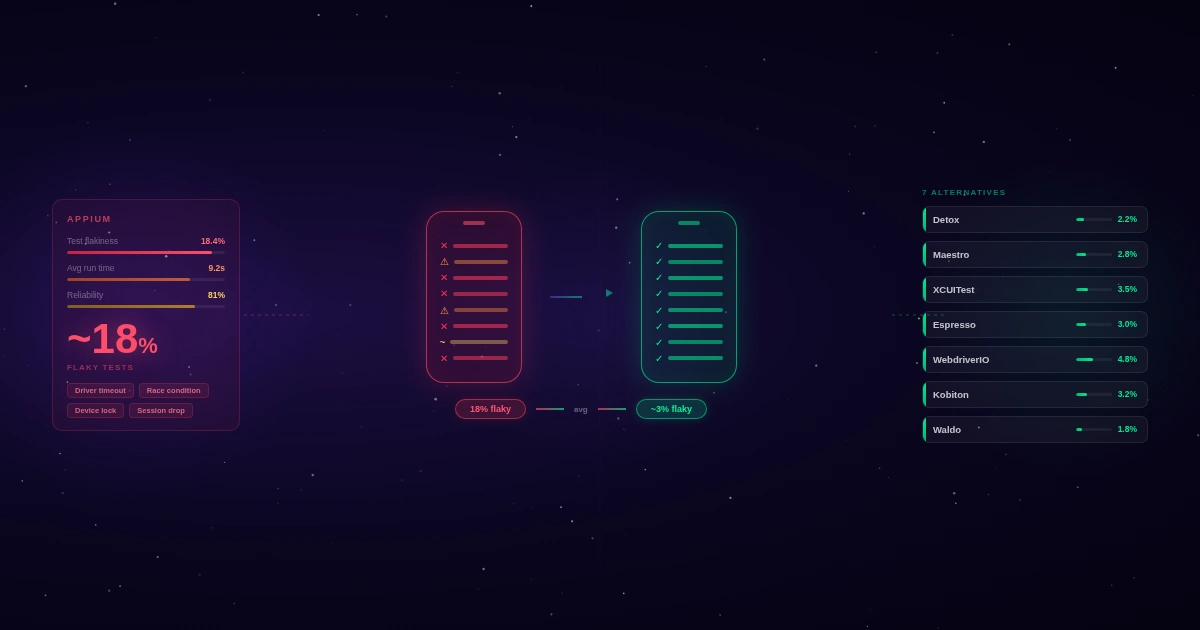
Flaky tests pass and fail randomly without code changes. Google found 16% of their tests are flaky, costing 2% of total coding time. Here's how to detect, fix, and prevent them.
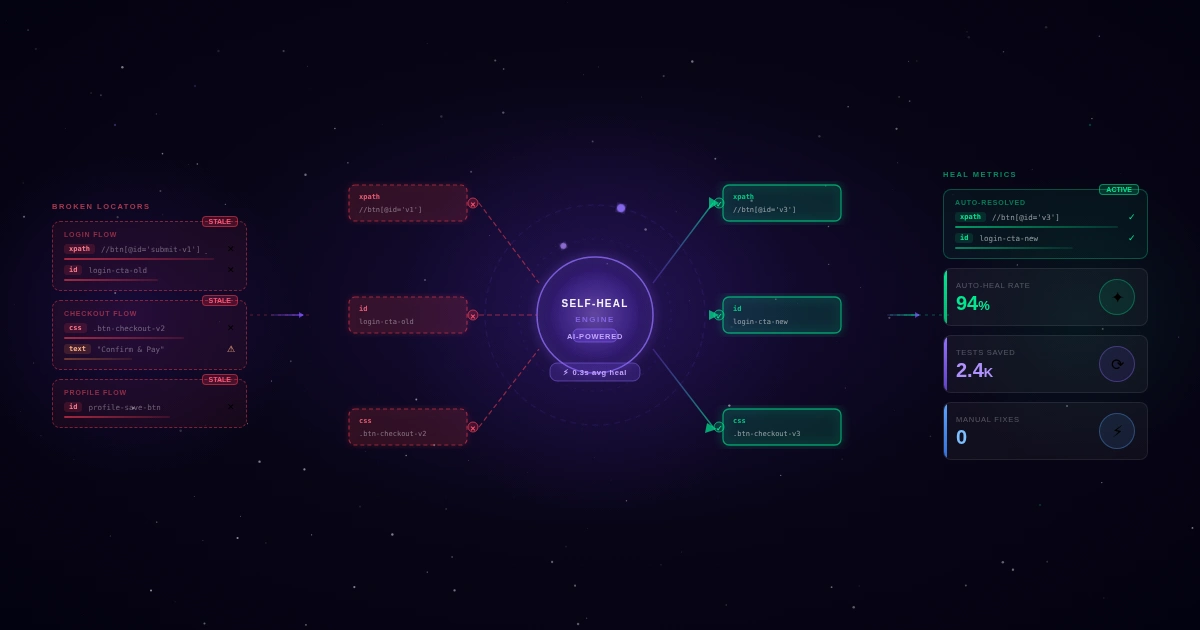
Self healing test automation adapts tests when your app changes. But most tools only heal broken selectors, which cause less than a third of failures. Here's what real self-healing looks like on mobile.
Cross platform mobile development lets you ship one codebase to iOS and Android. Compare Flutter, React Native, Kotlin Multiplatform, .NET MAUI, and Ionic with real tradeoffs, stats, and testing advice.
API examples explained with real request/response snippets. Covers REST, GraphQL, webhooks, everyday use cases, what happens when APIs fail in mobile apps, and how to test them properly.
Automate mobile app testing without coding in 2026. Learn no-code QA using Vision AI, plain English flows, and Drizz step-by-step
Drizz's Game Mode runs entirely on vision, takes plain-English commands, and caches what it sees, so the second run takes seconds.
Drizz now detects when your android studio is missing, runs the install for you through your terminal, and creates the emulator image automatically
LambdaTest rebranded to TestMu AI in 2026. Compare the 7 best alternative: BrowserStack, Sauce Labs, Perfecto, Kobiton, HeadSpin, TestingBot, and Drizz—with honest pricing, device counts, and a clear verdict on which to choose for mobile app testing.
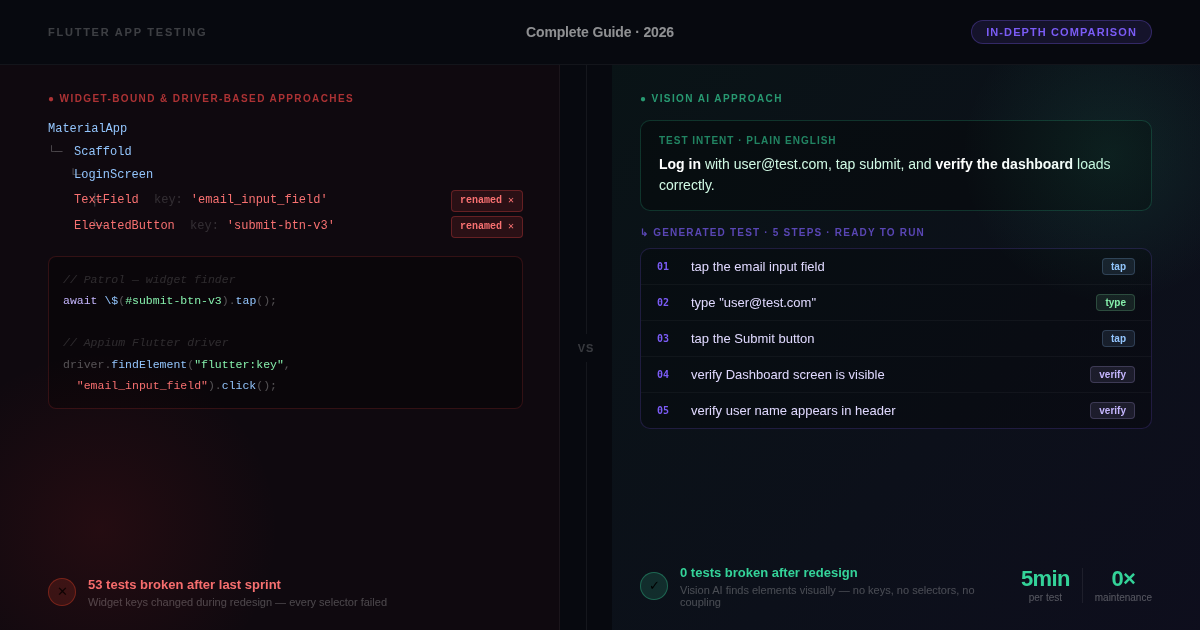
Flutter testing in 2026 is fragmented: widget tests work well, but E2E tools struggle with native gaps and selector fragility, making maintenance the real challenge.
Sauce Labs alternatives compared honestly: BrowserStack, TestMu AI, Kobiton, AWS Device Farm, and more. Real pricing, device counts, and a decision framework for mobile QA teams.
Detox, Appium, and Maestro all test mobile devices in different ways, but they all use fragile selectors, which makes maintenance the most significant problem in 2026.
React Native testing in 2026: Detox (quick, low flakiness), Appium (flexible), and Drizz (AI-driven, low maintenance). Choose based on team needs.
Flutter apps are hard to test due to canvas rendering. Compare Appium, Patrol, and Vision AI to choose the best approach for stable automation.
Testsigma alternatives ranked: Drizz, BrowserStack, Katalon, Maestro. Pricing transparency, real-device support, AI authoring, mobile-first focus. April 2026
Momentic is a strong AI-first testing platform, but mobile was added in March 2026, browser support is Chrome-only, and there's no code export. Compare Drizz, Mabl, Playwright + Autonoma, and QA Wolf.
Evaluating Kobiton alternatives? Kobiton is a full-stack mobile testing platform, but teams hit specific ceilings on AI authoring depth, pricing at scale, and device contention. Compare Drizz, BrowserStack, AWS Device Farm, and Sauce Labs.
Evaluating Qualiti AI alternatives? Compare Drizz, Maestro, Mabl, and Katalon on transparency, mobile depth, self-healing, and pricing. Honest breakdown for QA teams in 2026
Guide to 2026 mobile testing tools like Appium, Espresso, and Drizz. Compare features, use cases, and choose scalable, low-maintenance automation.
Repeato hitting its limits? Compare Drizz, Appium, Waldo, and Detox head-to-head, honest breakdown on pixel matching vs Vision AI, flakiness, CI depth, and scale. Find the right mobile testing tool for your team.
Looking for a Sofy alternative? Compare Drizz, Appium, Waldo, and Repeato head-to-head, with honest breakdowns on flakiness, debuggability, CI depth, and scale. Find the right AI mobile testing tool for your team.
Waldo hitting its limits? Compare the 4 best Waldo alternatives for mobile UI testing in 2026, including Drizz, Appium, Detox, and Repeato. Honest breakdown, head-to-head table
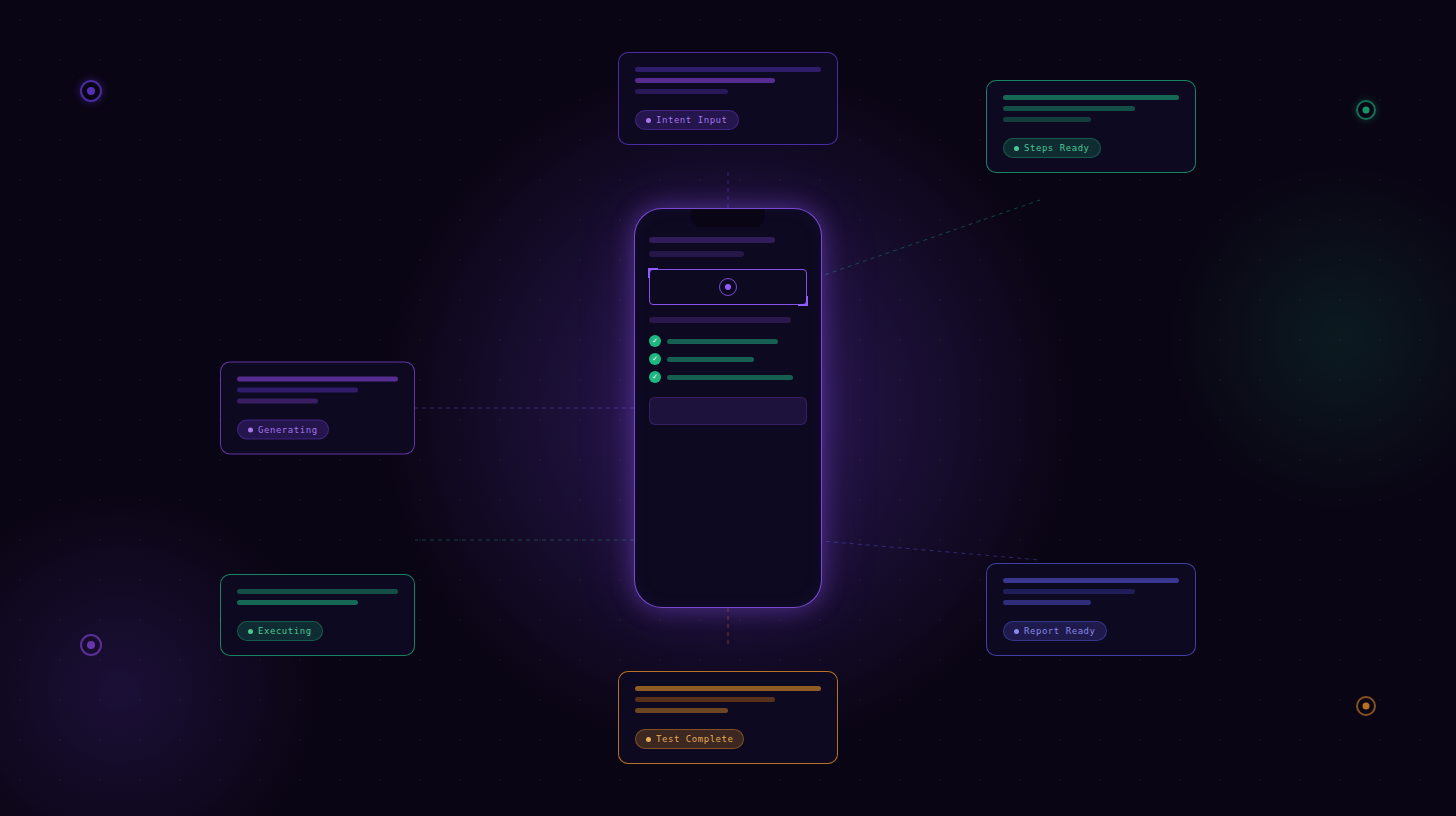
perfectly fine yesterday. Drizz's Self-Healer detects failures mid-run, adapts, and continues, so maintenance stops being a tax on every release.
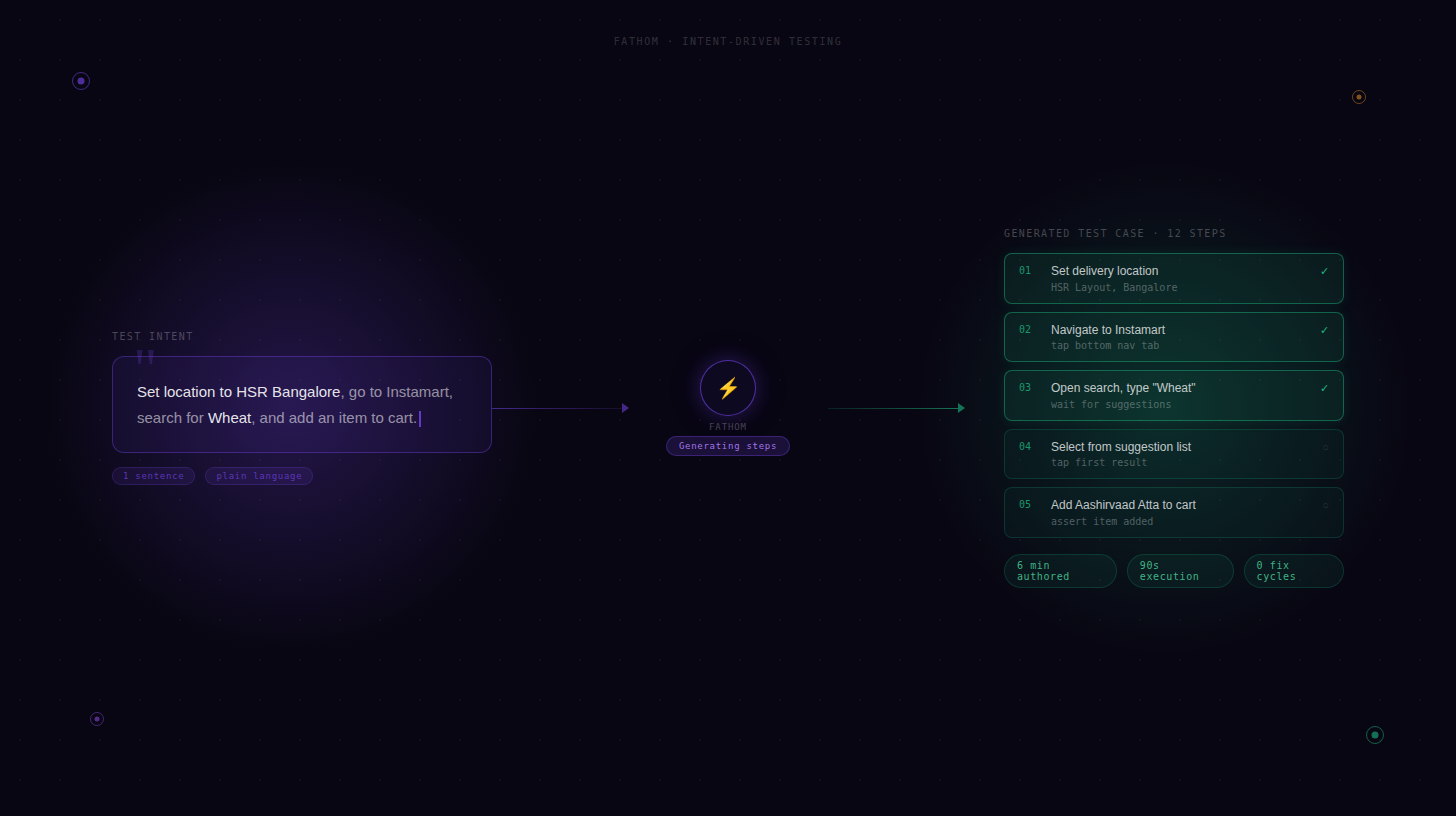
Stop translating intent into steps. Drizz's Fathom module takes a plain-language goal and generates a complete, deploy-ready test case, cutting authoring time by 50% with steps that run clean on the first try.
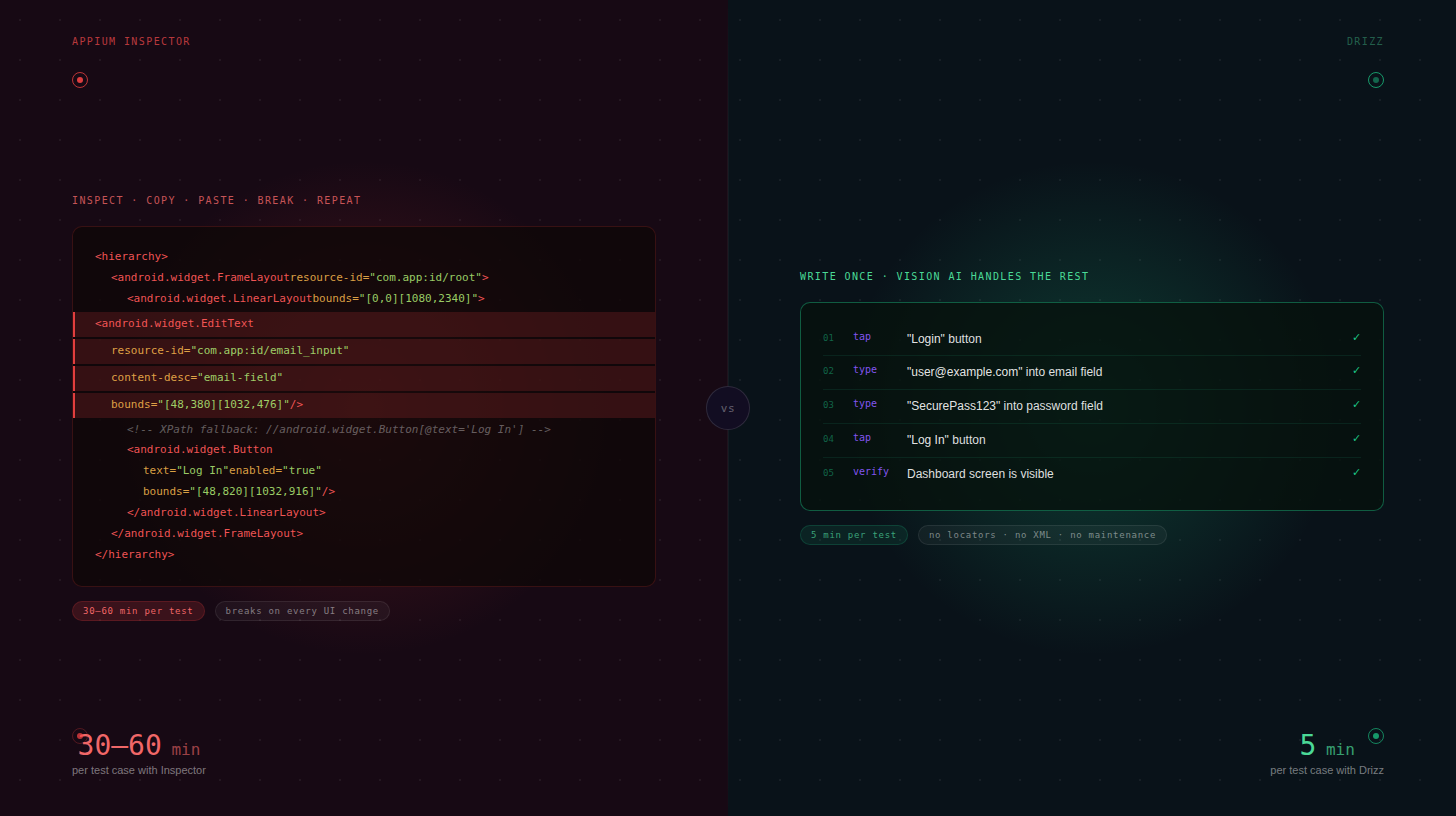
Appium Inspector finds UI locators, but every UI change breaks your scripts. Here's the full guide, and why Drizz doesn't need locators at all.
Reduce flaky React Native CI tests with deterministic execution, state-based sync, and selector-free automation for stable E2E testing.
XCUITest, Appium, Detox, EarlGrey, and Vision AI compared honestly. Includes a decision framework, real trade-offs, and which iOS testing tool fits your team in 2026.
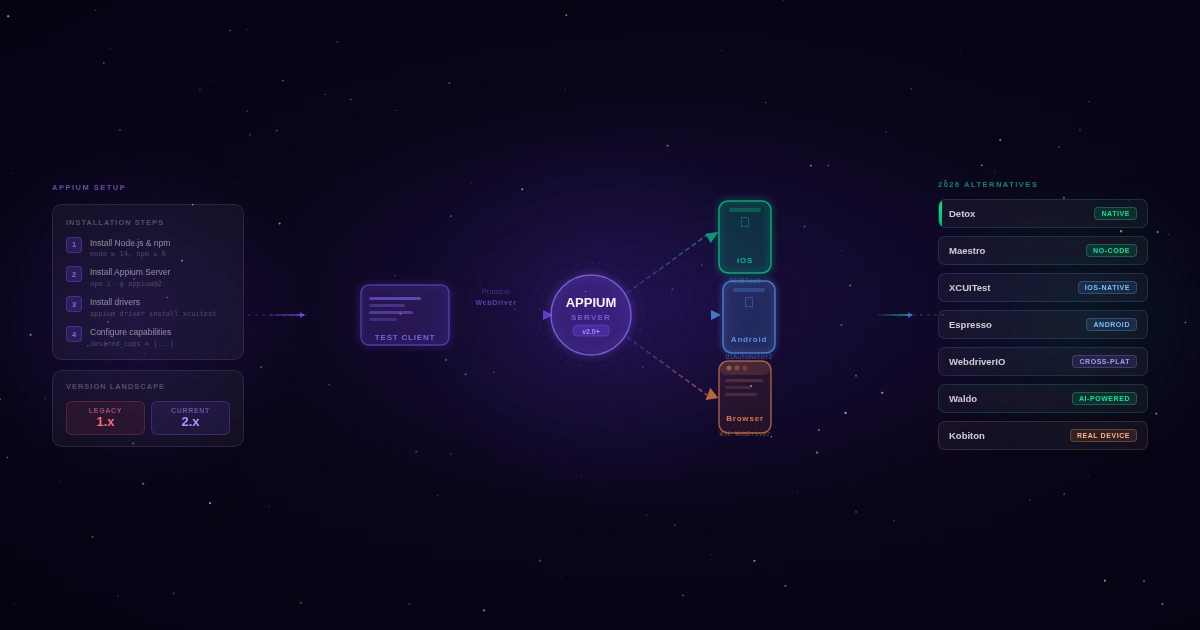
7 Appium alternatives compared on flakiness, no-code authoring, CI fit, price. Drizz, Maestro, Perfecto, Espresso, XCUITest, BrowserStack. Verdict — April 2026.
Espresso vs Appium: an honest technical breakdown of both, why neither works cleanly on React Native or Flutter, and when Vision AI wins.
OpenClaw is a self-hosted AI agent connected to Drizz.dev's Vision AI engine, execute real tasks on real mobile apps. No scripts, selectors, or setup
Appium's selector-based approach breaks with every UI change . 73% of QA teams say it's their biggest bottleneck. See how Vision AI eliminates it.
XCUITest is faster for iOS. Appium covers both platforms. But when selector maintenance becomes the bottleneck, Vision AI-based automation like Drizz is worth understanding. A comprehensive breakdown for mobile teams in 2026
Self-healing mobile test automation with Drizz uses Vision AI to eliminate flaky tests, remove selector dependency, and keep tests stable across UI changes.


%201.png)


%203.png)

























































.webp)